

Recognizing nest shapes without approaching
Describe the visible comb or entrance and let a provider confirm the insect.
Explore services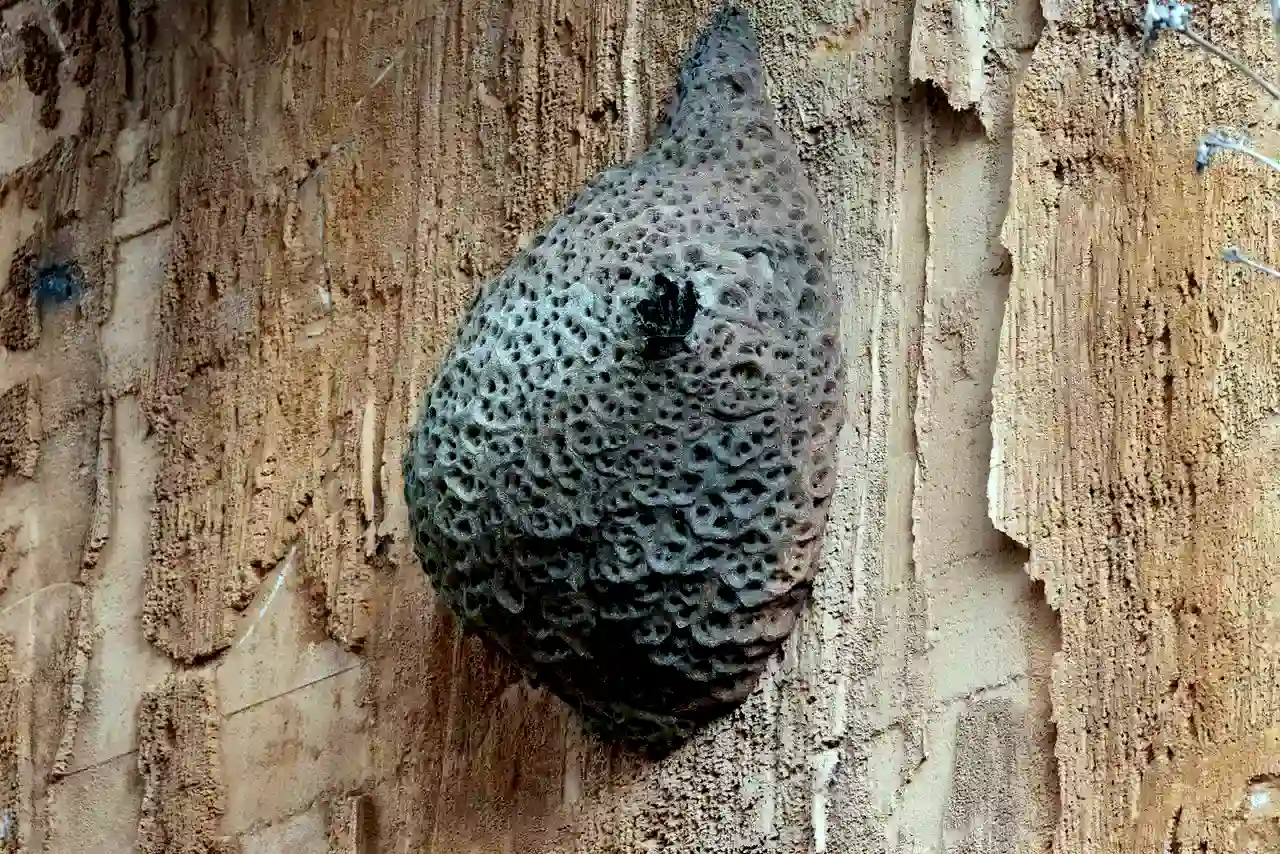
For wasp nest removal in Carrollton, TX, start with a description of the activity you can already see: a paper comb at an eave, traffic through a wall gap or insects entering the lawn. This referral line connects you with an independent provider who assesses the situation and determines the work, cost and appointment.
Discuss a wasp, hornet or yellowjacket nest.
Ask which insect and nest the assessment identifies.
Discuss your address with the receiving business.
Consult TDA’s published current-license lists.
Identifying the insect guides wasp nest removal in Carrollton, TX. Exposed paper cells suggest paper wasps; yellowjackets generally nest underground but can also use wall spaces or aerial sites. The baldfaced hornet is a yellowjacket despite its name. Let a provider confirm identification through assessment, and describe the situation using your existing view or a distant photo. Keep people away from the affected location while discussing what should happen next.
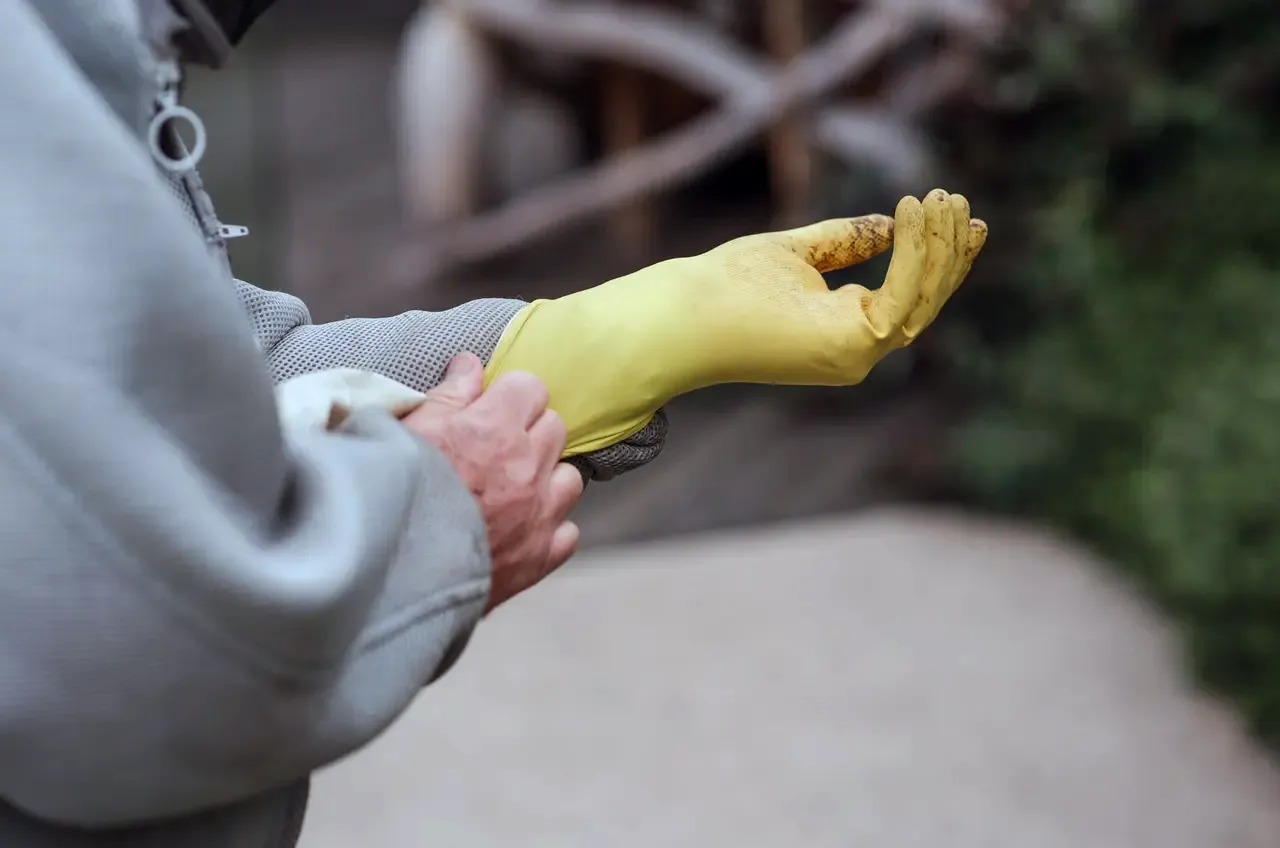
Discuss the stages with the independent provider: locating the colony and entrances, selecting an approach, addressing the active colony, then deciding whether accessible inactive nest material will be removed. For a yellowjacket wall nest, AgriLife advises leaving its entrance unsealed until elimination. Ask when another assessment or repair may be appropriate and what the proposal includes. Establish the preparation and area-use instructions before anyone approaches the affected space.
Texas A&M AgriLife describes yellowjacket colonies reaching maximum size during August or September, with new queens and males emerging in October and November. Paper-wasp colonies begin in spring when overwintered queens find sheltered nesting sites. These are Texas seasonal patterns, rather than evidence about infestation levels at a Carrollton property. The city’s ACS 2024 housing figures show a median construction year of 1988 and 41.5% renter occupancy. Describe the actual building and activity when asking a provider about assessment, and involve management for a rental.
An exposed comb beneath a roof edge can point to paper wasps, though the provider should confirm it. Texas Apiary Inspection Service also lists garages, sheds and shrubbery as typical paper-wasp nesting places. Ask which surrounding features will be checked, how the reported colony will be located and what the written findings will contain before agreeing to a plan.
View service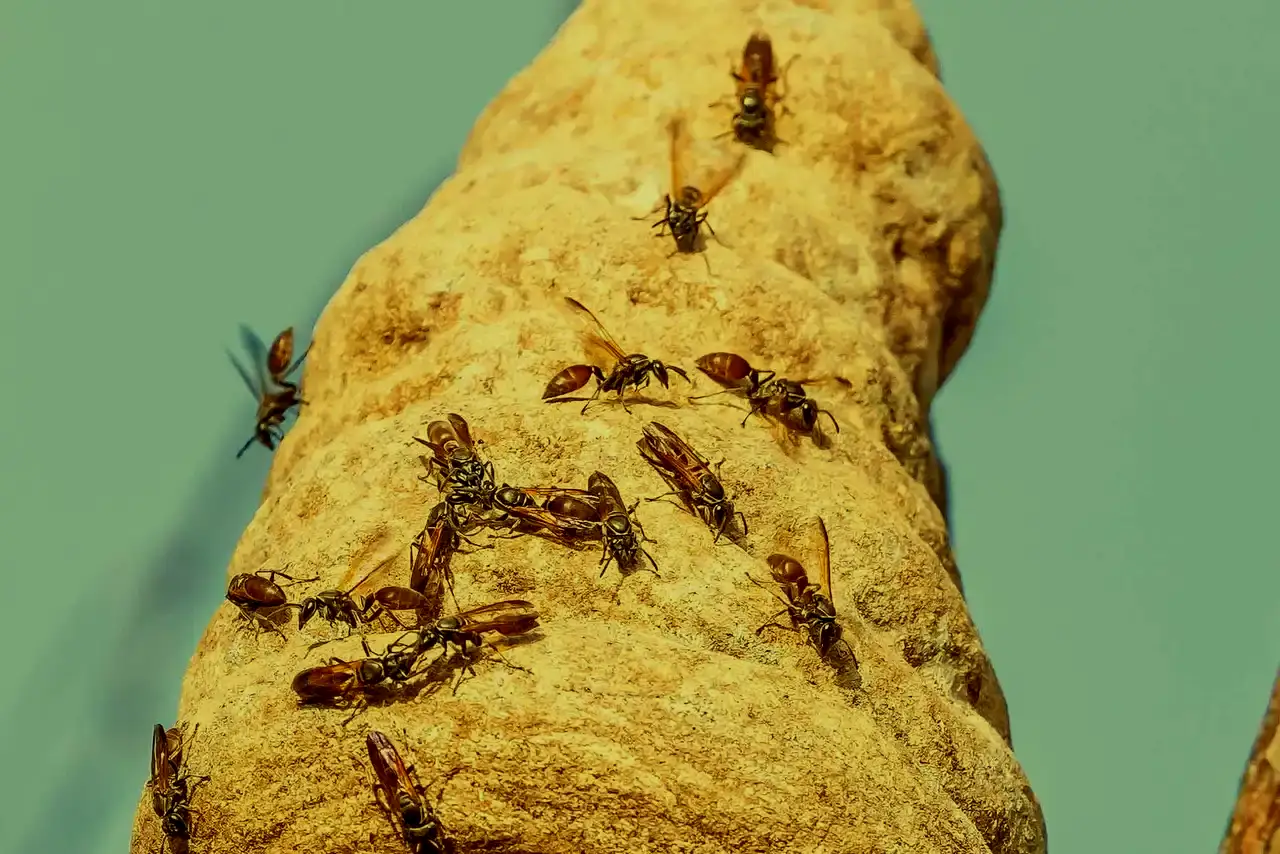
Texas Apiary Inspection Service identifies the baldfaced hornet as a yellowjacket. Its enclosed paper nest raises different access questions from a low exposed comb. Describe the position from your existing view, then ask the provider to establish the insect, nest location and means of reaching it. Leave an established colony undisturbed while arranging assessment.
View service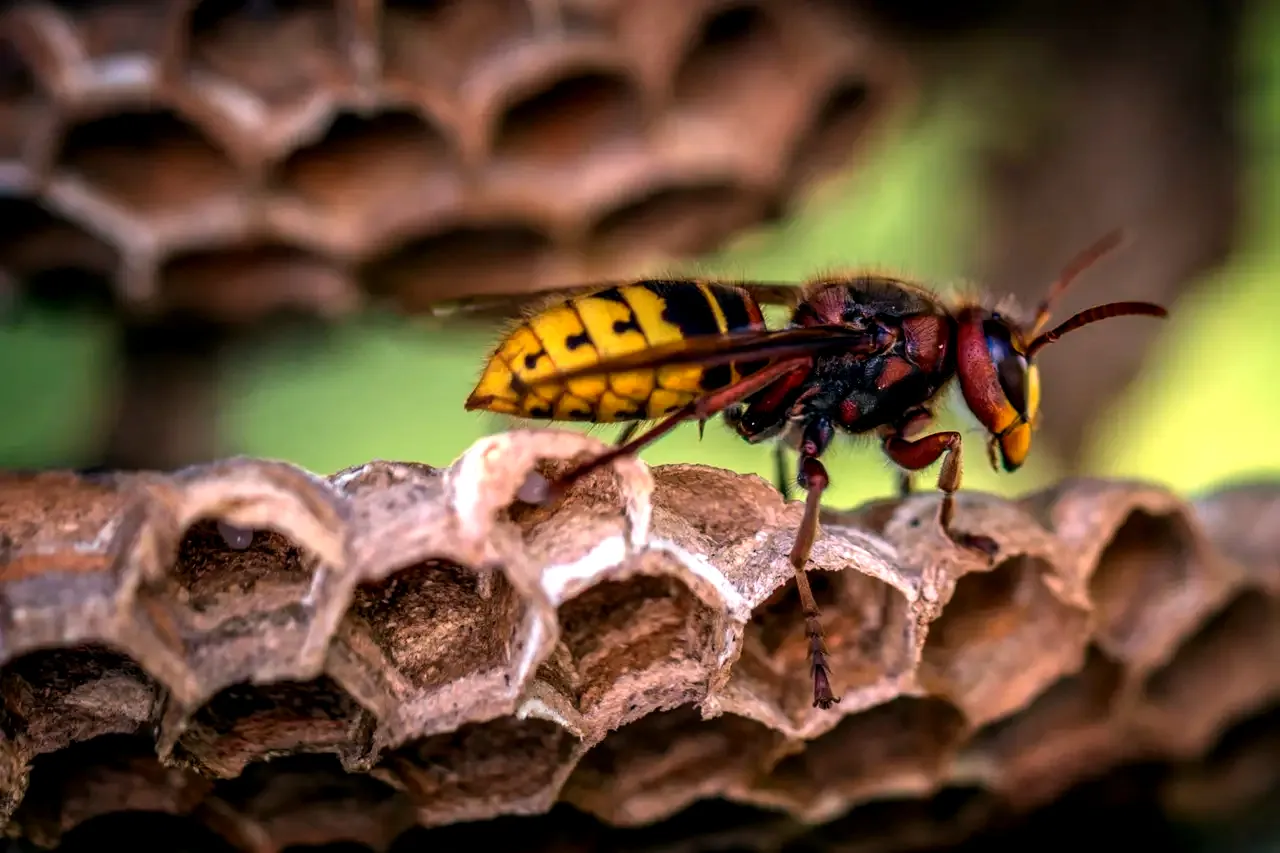
A yellowjacket nest may be concealed beneath the ground or within a building wall. Repeated flights through one opening are information to pass to the provider without approaching it. For wall nests, AgriLife cautions against closing the entrance before the colony has been eliminated. Discuss how the colony will be assessed and who would arrange any later closure or repair.
View serviceShare the observed nest location and ask the receiving provider what assessment it proposes.
For wasp removal in Carrollton, TX, this site provides a referral number for discussing the nest with an independent provider. Describe the activity and ask about assessment. The business determines the work, appointment availability and charge; you choose whether to proceed.
TDA’s Structural Pest Control Service publishes current-license lists for businesses and individuals. Request the relevant details, consult those lists and discuss insurance before authorizing work. A referral does not establish credentials or suitability for the proposed job.
Honey bees fall outside this site’s wasp referral offer. When identification indicates honey bees, consult the registered-beekeeper removal list maintained by Texas Apiary Inspection Service. That list does not establish a pest-control license or an endorsement. Keep chemicals out of a hive, and ask for identification rather than assuming a nest belongs to wasps.
Calls are connected 6 a.m. to midnight Central Time (7 a.m. to 1 a.m. during daylight saving time). Covered Carrollton ZIPs are 75006, 75007 and 75010; providers determine appointments.
Obtain the amount directly from the provider once the proposed job is clear. Identification, nest count, height, access to a concealed colony and removal of inactive material can all be questions for the proposal. Establish which work and later checks are included before deciding; this site supplies no job-specific figures.
Begin by asking what insect was identified and where its colony sits. The provider’s assessment should distinguish the nest from places insects merely visit. Ask which outside features and entrances were checked, then review those findings before discussing work.
Leave the affected space undisturbed while asking what preparation is necessary. Children and pets should remain away from the nest. Obtain the provider’s directions about access and area restrictions, and involve management when a balcony, walkway or eave is shared.
The receiving business chooses its method after assessment. Ask how the active colony will be addressed, what instructions occupants must follow and whether accessible inactive material will be removed. Discuss later closure for wall entrances.
Clarify how to report continuing activity and whether another assessment is included in the proposal. Paper-wasp queens may establish a fresh spring colony near a previous site. A dated record helps the provider distinguish a new report from the earlier work and explain what further assessment would involve.
These stages organize questions for a provider rather than prescribe a method or promise a result. Before booking, have the business explain its findings, proposed work, occupant instructions and any later assessment.
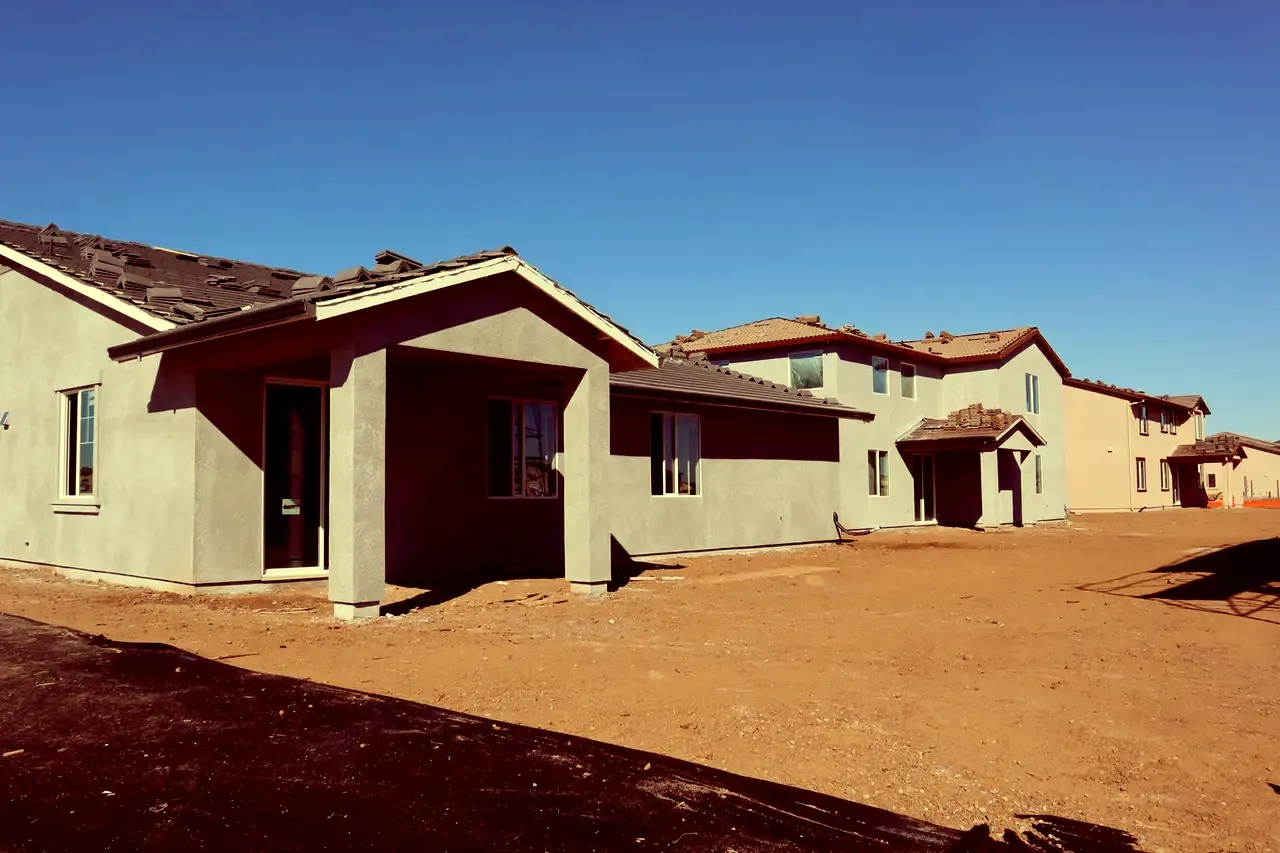
Note repeated flights by an eave, lawn entrance, wall gap or sheltered structure without disturbing the area. A provider can investigate the source and distinguish a nesting colony from insects passing through the property.
Tell the provider about any earlier disturbance and what activity remains, without trying another treatment yourself. AgriLife advises professional help when safe control is in doubt and professional handling of established yellowjacket or hornet colonies. Ask how the remaining activity will be assessed before any further work is proposed.
Carrollton’s ACS 2024 data puts 35.9% of housing units in buildings containing at least two units. That figure describes housing, not pest prevalence. A renter noticing a nest by a balcony or communal route should notify management, retain the report and let access be coordinated with the provider.
Keep foot traffic and mowing away from suspected ground nests. For a wall opening, AgriLife advises against sealing a yellowjacket entrance until elimination. Report its location and any indoor activity to the provider without disturbing the entrance.
A high paper nest requires identification and an access discussion rather than a closer look from a ladder. AgriLife recommends professional handling for established hornet and yellowjacket colonies. Tell the receiving business the approximate height and surrounding obstacles so it can discuss an assessment of that location.
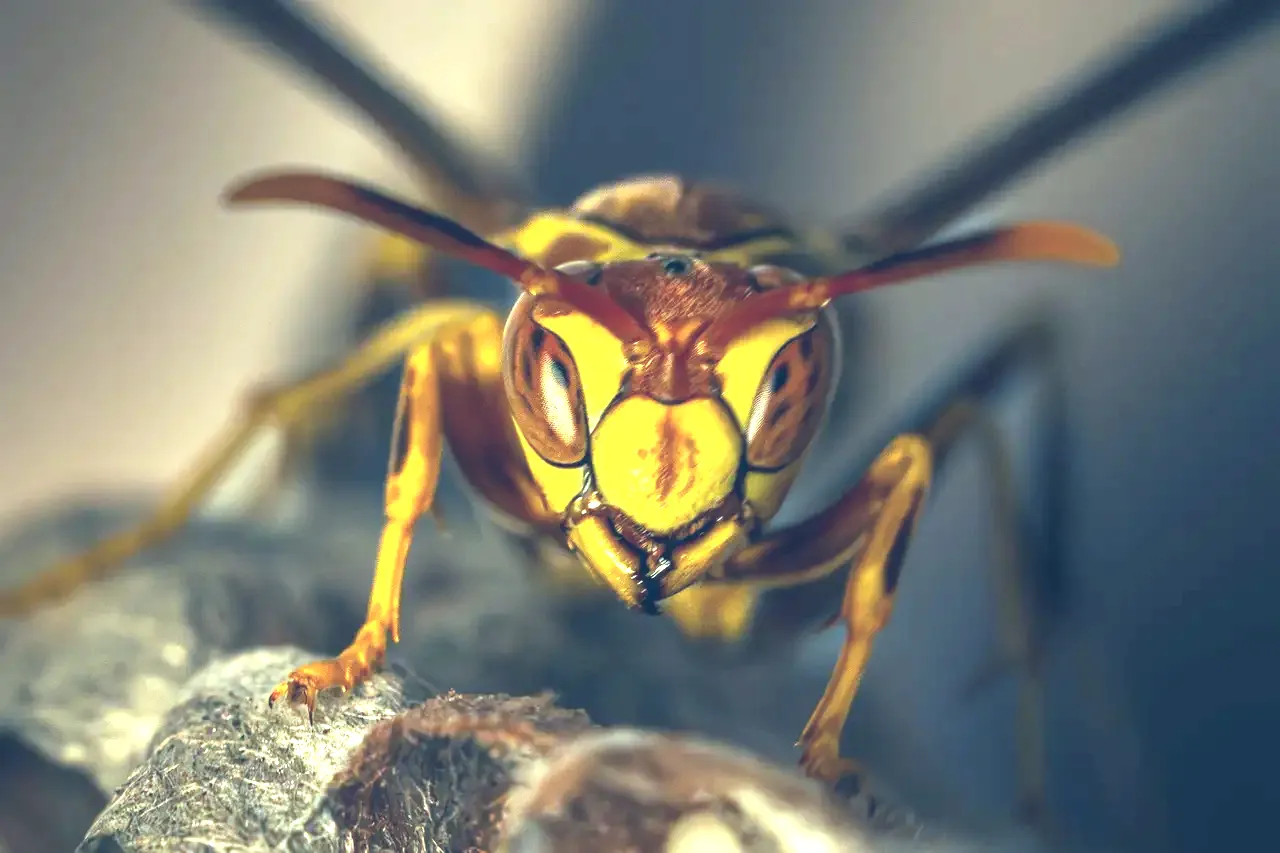
Hypothetical homeowner, property manager and renter illustrations show questions and possible next steps; they describe no actual customers or outcomes.
Illustration: a homeowner in Josey Ranch, 75006 notices insects gathering at a paper comb beneath a porch roof. The homeowner keeps that doorway unused and describes the visible location to an independent provider. An assessment can establish the insect and colony before a method, access arrangement or amount is proposed. No result or appointment is implied by this example.
Illustration: a property manager in Josey Ranch, 75006 receives a resident’s report of wasps at a rental entrance. The manager records the location, tells residents to keep clear and coordinates permission for assessment. The receiving business determines what work it can offer and explains access restrictions before the manager decides whether to authorize the proposal.
Illustration: a renter in Rosemeade, 75007 sees repeated insect flights into a lawn opening beside a shared path. The renter reports the position to management and keeps away from it. Management can arrange a provider assessment and share the resulting occupant instructions; the example makes no claim about an actual resident, treatment or outcome.
Carrollton coverage consists of 75006, 75007 and 75010. In 75006, verified neighborhoods include Josey Ranch, Country Place, Carrollton Downs and Briarwyck Estates. Rosemeade, Nob Hill and Highlands of Carrollton are among the verified names in 75007. Austin Waters, Arbor Creek, Coyote Ridge and Mustang Park are verified in 75010. Give the provider the exact address and observed location of activity; coverage does not establish appointment availability or the scope of work.
Carrollton’s median housing construction year is 1988 (ACS 2024). Describe the address and actual nest activity.
Give your Carrollton address so the provider can discuss the covered location and appointment options.
Yes, a new nest can appear nearby even though an abandoned yellowjacket nest is not reused. AgriLife notes that paper-wasp queens can establish spring colonies in the same general location as an earlier nest. Report where fresh comb or repeated activity appears, and ask the provider whether another assessment is appropriate. No particular outcome or period without wasps is promised.
Leave removal to a professional when safe control is uncertain; AgriLife specifically recommends professional handling of established yellowjacket and hornet colonies. You can describe the location and activity from a distance without approaching, spraying or knocking down the nest. Ask the receiving provider how it would assess the insect and access, then obtain its preparation and area-use instructions.
Leave a suspected wall-nest entrance unsealed until the colony has been eliminated. That is AgriLife’s guidance for yellowjacket wall voids. Report the outside opening and any indoor activity to the provider without opening or treating the wall yourself. Ask how the colony will be assessed, who confirms elimination and who will arrange any later repair.
The provider assesses the insect, colony, access and agreed work to determine the amount. Relevant questions include nest count, height, concealed access and whether removal or another assessment is included. Ask for a written proposal specifying those items before authorizing anything. This website provides a referral route and publishes no figures for an individual job.
There is no single month when all Texas wasp activity ends. AgriLife says most yellowjacket nests die after the first hard frost, after an August or September colony-size peak. Paper-wasp queens can overwinter and start colonies in spring. Dallas/Fort Worth’s regional average first freeze is November 22; that regional date does not establish the condition of a Carrollton nest.
Answers to help residents discuss identification, access, seasonal activity and the proposed work.
Discuss your questionsKeep the affected area clear and bring specific observations to the provider discussion.
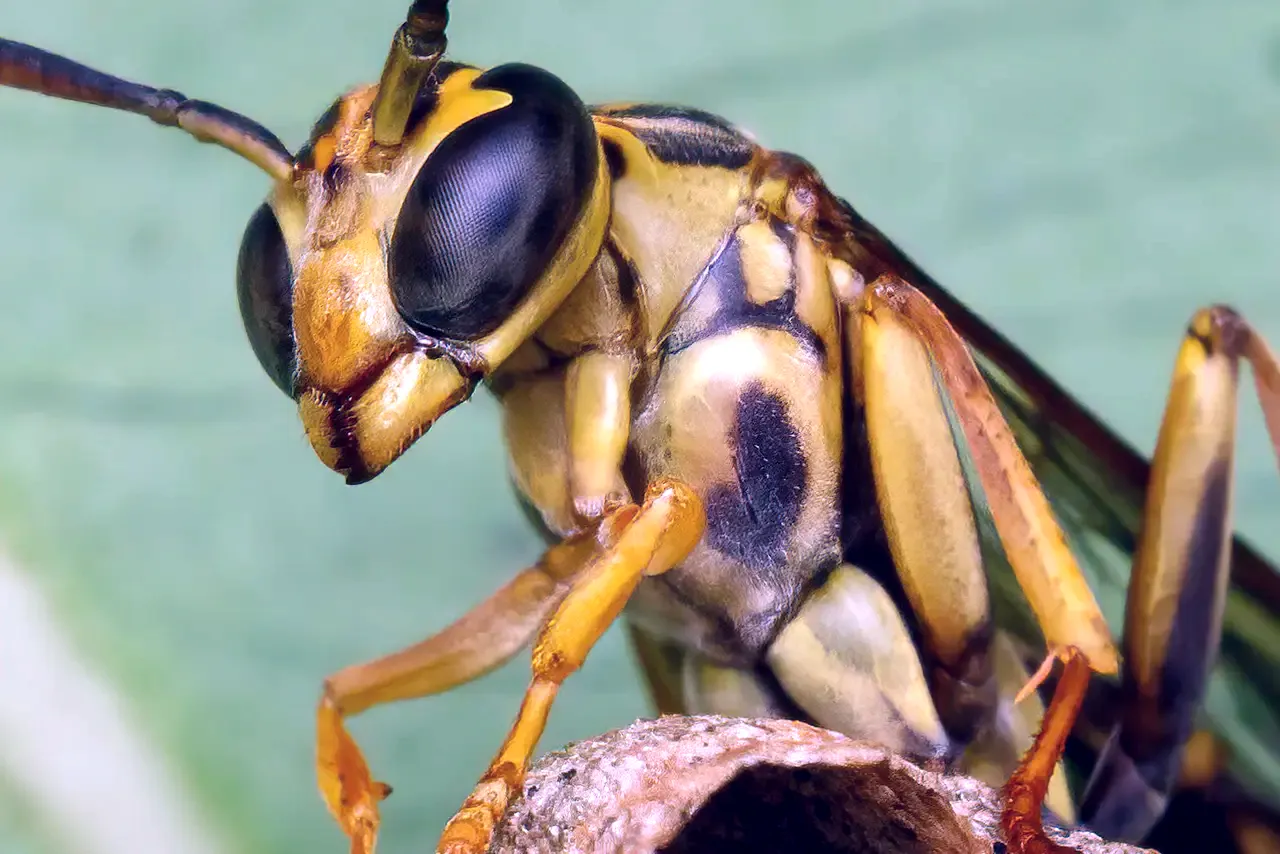
Describe the visible comb or entrance and let a provider confirm the insect.
Explore servicesAvoid disturbance and seek medical care for a sting reaction.
Explore services
Discuss identification, access, restrictions, later checks and the amount.
Explore servicesCalling the listed number uses Ringba tracking and routing, and the conversation may be recorded. The independent provider receiving your call discusses the location and proposed assessment. Calls connect 6 a.m. to midnight Central Time (7 a.m. to 1 a.m. during daylight saving time). The LeadSmart form is available at all hours, with its own consent wording and privacy terms.